What Is the Colon?
The colon, or large intestine, is part of your digestive system. It absorbs water and nutrients from food and forms stool. Sometimes, parts of the colon need to be removed due to conditions such as:
• Colon cancer
• Polyps that can’t be removed by colonoscopy
• Inflammatory bowel disease (e.g., ulcerative colitis, Crohn’s disease)
• Severe diverticulitis or infection
• Bowel obstruction
What Is Laparoscopic Colectomy?
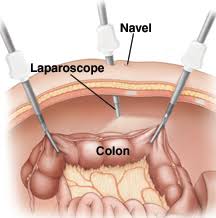
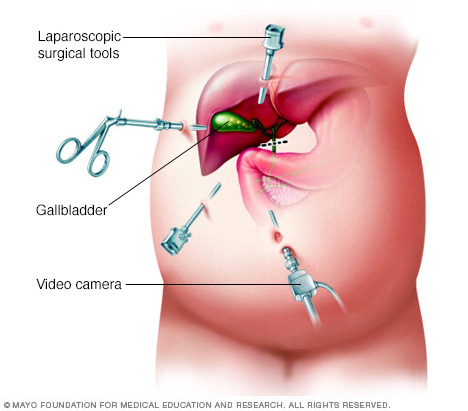
Laparoscopic colectomy is a minimally invasive surgery to remove part of the colon through small incisions using a camera and special instruments.
Compared with traditional open surgery, laparoscopic surgery usually leads to:
• Less pain after surgery
• Smaller scars
• Faster recovery
• Shorter hospital stay
How Is the Surgery Performed?
1. Small incisions (keyholes) are made in the abdomen.
2. A camera and surgical instruments are inserted.
3. The affected part of the colon is removed.
4. The remaining ends of the colon are reconnected (anastomosis).
5. Incisions are closed with stitches.
The procedure usually takes 1–3 hours, depending on the part of the colon removed and the patient’s condition.
Why Surgery Is Needed (Indications)
Laparoscopic colectomy is recommended for patients with:
• Colon cancer or polyps that can’t be removed otherwise
• Severe infection or inflammation of the colon
• Blockage or narrowing of the colon
• Recurrent or complicated diverticulitis
• Certain genetic conditions with high colon cancer risk
Your surgeon will decide if laparoscopic colectomy is appropriate based on your diagnosis and overall health.
Benefits of Laparoscopic Colectomy
• Smaller cuts and less visible scars – minimal cosmetic impact
• Less pain after surgery compared with open surgery
• Faster recovery and shorter hospital stay
• Lower risk of wound infection
• Quicker return to normal activities
• Earlier return to eating
• Ability to examine other organs – During laparoscopic surgery, the camera allows your surgeon to look at other abdominal organs (like the liver, small intestine, and pelvis) to check for any abnormalities, which can help detect additional issues early.
Risks and Possible Complications
Laparoscopic colectomy is generally safe, but potential risks include:
• Bleeding
• Infection
• Injury to nearby organs
• Leakage at the reconnection site (anastomotic leak)
• Bowel obstruction
• Rare complications related to anesthesia
Your surgical team will discuss ways to reduce these risks.
Recovery After Surgery
• Most patients start walking the same day
• Hospital stay is usually 3–5 days, depending on the procedure and recovery
• Light meals are started soon after surgery
• Full recovery and return to normal activity may take 2–6 weeks
Living After Colon Surgery
• Most people adjust well after colectomy
• Bowel habits may change temporarily but usually improve over time
• Regular follow-up and screening are important, especially for cancer patients
• A healthy diet, hydration, and gradual return to activity help recovery
Final Message
Laparoscopic colectomy is a safe, modern, and effective surgery to treat colon problems with smaller scars, faster recovery, and less pain than traditional open surgery. Your surgeon will guide you through preparation, procedure, and recovery to ensure the best outcome.
Dr. Mohammed Alassaf
Consultant Bariatric & Gastrointestinal Surgeon
Dr. Alassaf is a leading expert in minimally invasive and bariatric surgery,
with extensive experience helping patients overcome obesity and related conditions.
Having completed advanced training in Australia and the Middle East, he is known
for his compassionate approach and evidence-based surgical care.