Laparoscopic Ventral Hernia Repair with Composite Mesh
Laparoscopic Hernia Repair
Laparoscopic Ventral Hernia Repair with Composite Mesh
Clinic Team
Feb 26, 2026
Laparoscopic Ventral Hernia Repair with Composite Mesh
Overview
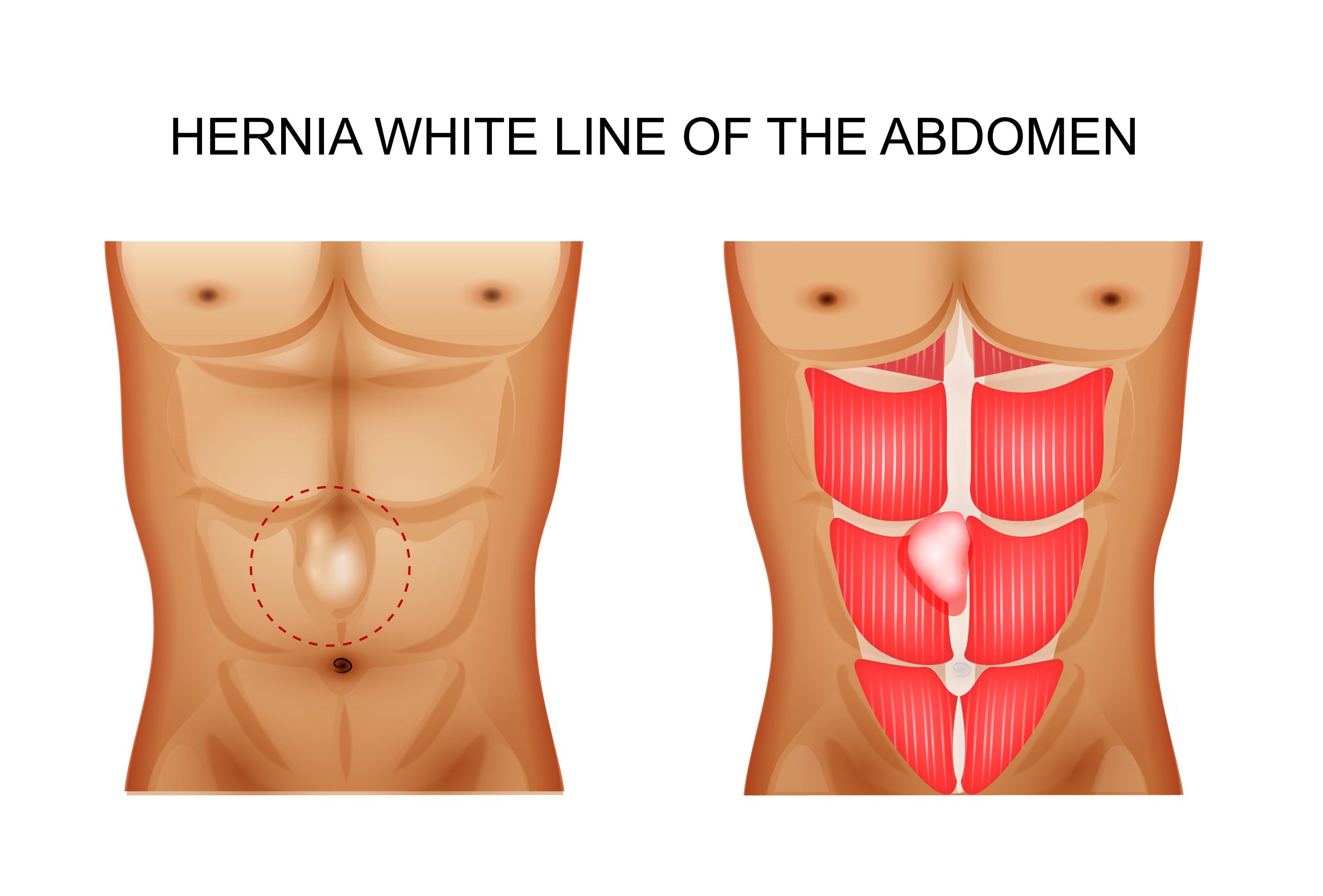
A ventral hernia occurs when there is a weakness or opening in the abdominal wall, allowing tissue or intestine to bulge outward. This can happen at the site of a previous surgical incision (incisional hernia) or naturally in the abdominal wall. Laparoscopic ventral hernia repair with composite mesh is a minimally invasive surgical technique used to repair this defect and strengthen the abdominal wall.
Indications (Who May Need This Procedure)
This procedure may be recommended if you have:
A visible or painful abdominal bulge
Discomfort or pain that worsens with coughing, lifting, or standing
An incisional hernia from a previous surgery
A hernia that is increasing in size
Risk of complications such as bowel entrapment
Multiple hernias defect
Your surgeon will determine if laparoscopic repair is suitable based on the size, location, and characteristics of the hernia.
How the Procedure Is Performed
The surgery is performed under general anesthesia.
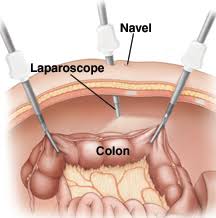
Several small incisions are made in the abdomen.
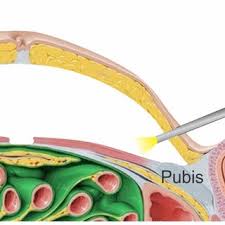
A camera (laparoscope) is inserted to allow the surgeon to view the hernia from inside.
The hernia contents are carefully returned to their normal position.
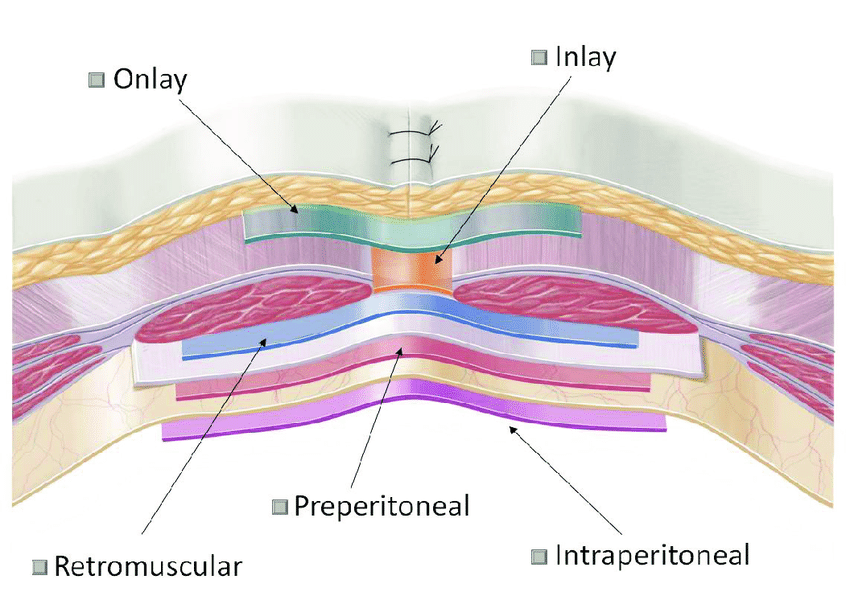
A composite mesh is placed over the defect from the inside of the abdominal wall.
The mesh is securely fixed to reinforce the weakened area and reduce the risk of recurrence.
Composite mesh is specially designed to be safe for contact with internal organs while providing strong support to the abdominal wall.
Benefits of Laparoscopic Repair
Smaller incisions and less scarring
Reduced postoperative pain
Lower risk of wound infection and seroma formation
Faster recovery and return to daily activities
Strong and durable hernia repair
Lower recurrence rates compared to repair without mesh
Repair of multiple hernias defect at same time
Recovery and Aftercare
Most patients can go home the same day or the next day.
Mild to moderate discomfort is common and usually well controlled with medication.
Light activities can be resumed within a few days.
Heavy lifting should be avoided for 8–12 weeks or as advised by your surgeon.
A follow-up visit will be scheduled to monitor healing.
Recovery time varies depending on hernia size and individual health.
Possible Risks and Complications
As with any surgery, risks are uncommon but may include:
Infection
Bleeding
Chronic pain (rare)
Hernia recurrence
Your surgeon will discuss these risks with you and take steps to minimize them.
When to Contact the Clinic
You should contact us if you experience:
Fever or increasing redness around incisions
Severe or worsening pain
Persistent nausea or vomiting
Swelling that does not improve
Why Choose Our Clinic
Our surgical team uses modern laparoscopic techniques and high-quality composite mesh to ensure safe procedures, quicker recovery, and long-term results, while focusing on patient comfort and care.
Dr. Mohammed Alassaf
Consultant Bariatric & Gastrointestinal Surgeon
Dr. Alassaf is a leading expert in minimally invasive and bariatric surgery,
with extensive experience helping patients overcome obesity and related conditions.
Having completed advanced training in Australia and the Middle East, he is known
for his compassionate approach and evidence-based surgical care.