What Is the Gallbladder?
The gallbladder is a small organ under the liver that stores bile, which helps digest fatty foods. Sometimes, gallstones form and cause pain, infection, or other problems.
What Is Laparoscopic Cholecystectomy?
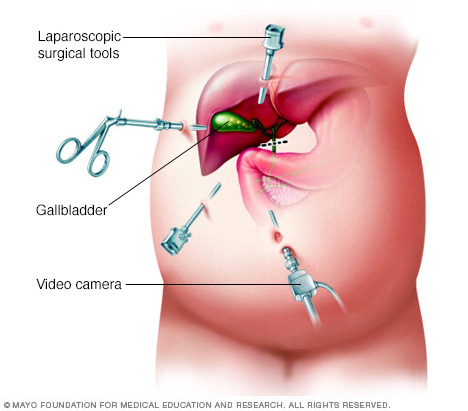
Laparoscopic cholecystectomy is a keyhole surgery to remove the gallbladder using small incisions. A camera and special instruments are used, allowing the surgeon to see clearly and operate safely.
This is the most common and preferred method for gallbladder removal.
Why Is Gallbladder Surgery Needed? (Indications)
This surgery is recommended if you have:
• Repeated gallstone pain
• Gallbladder inflammation (cholecystitis)
• Gallstones causing nausea or vomiting
• Gallstones in the bile ducts
• Gallbladder infection or blockage
• Complications such as pancreatitis caused by gallstones
How Is the Surgery Performed?
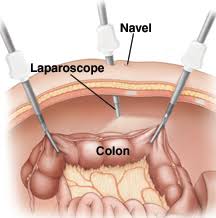
• Small cuts are made in the abdomen
• A camera and instruments are inserted
• The gallbladder is carefully separated and removed
• The incisions are closed with stitches or glue
The operation usually takes 45–90 minutes, and most patients go home on the next day.
What Is an Intraoperative Cholangiogram (IOC)?
An intraoperative cholangiogram is a special X-ray test performed during gallbladder surgery. A contrast dye is injected into the bile ducts to show their anatomy on X-ray.
This test is done only when needed, not for every patient.
Benefits of Intraoperative Cholangiogram (IOC) for Selected Patients
IOC can be especially helpful for patients who:
• May have stones in the bile duct
• Have abnormal liver blood tests
• Have had previous bile duct problems
• Have unclear bile duct anatomy
• Have a higher risk of bile duct injury
Key Benefits of IOC:
• Helps detect hidden bile duct stones during surgery
• Allows treatment planning during the same operation
• Helps clearly identify bile ducts, reducing the risk of injury
• Increases surgical safety in difficult cases
• May reduce the need for additional procedures later
Not all patients need an IOC, but it can provide extra safety and accuracy in selected situations.
Risks and Possible Complications
Laparoscopic cholecystectomy is very safe, but possible risks include:
• Bleeding
• Infection
• Injury to bile ducts (rare)
• Leakage of bile
• Temporary shoulder pain from gas used during surgery
• Conversion to open surgery (uncommon)
Your surgeon takes steps to minimize these risks.
Recovery After Surgery
• Walking is encouraged on the same day
• Most patients return to normal activities in 1–2 weeks
• Light meals are started soon after surgery
• Full recovery is usually quick
Living Without a Gallbladder
After your gallbladder is removed, many people recover quickly and live normally without it. Bile — a fluid made by your liver to help digest fat — no longer gets stored in the gallbladder. Instead, it flows directly into your intestine all the time. For most people, this causes no longterm problems.
However, because bile is released continuously rather than in controlled bursts, some people experience changes in bowel habits, especially loose stools or diarrhea after surgery.
Final Message
Laparoscopic cholecystectomy is a safe, effective, and minimally invasive treatment for gallbladder disease. For selected patients, the addition of an intraoperative cholangiogram improves safety by clearly showing the bile ducts and identifying hidden stones during surgery.
Your surgeon will decide whether IOC is beneficial based on your individual condition.
Dr. Mohammed Alassaf
Consultant Bariatric & Gastrointestinal Surgeon
Dr. Alassaf is a leading expert in minimally invasive and bariatric surgery,
with extensive experience helping patients overcome obesity and related conditions.
Having completed advanced training in Australia and the Middle East, he is known
for his compassionate approach and evidence-based surgical care.