SCOLA (Subcutaneous Onlay Laparoscopic Approach) for Ventral Hernia Repair and Diastasis Recti
SCOLA for Ventral Hernia Repair ± Diastasis Recti Repair
SCOLA (Subcutaneous Onlay Laparoscopic Approach) for Ventral Hernia Repair and Diastasis Recti
Dr-Alassaf
Feb 26, 2026
SCOLA (Subcutaneous Onlay Laparoscopic Approach) for Ventral Hernia Repair and Diastasis Recti
Overview
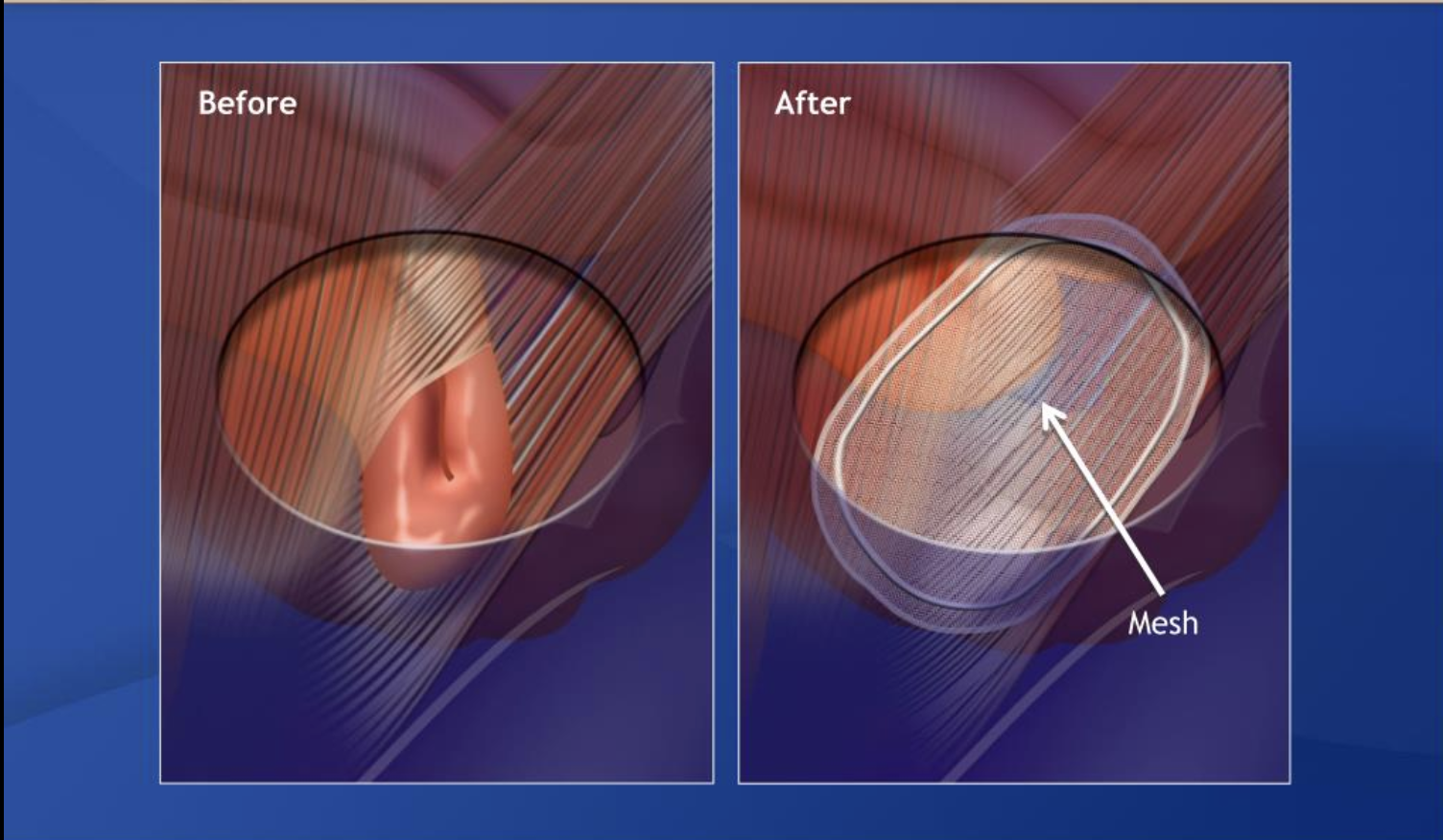
SCOLA (Subcutaneous Onlay Laparoscopic Approach) is an advanced minimally invasive technique used to repair diastasis recti,ventral and incisional hernias. Unlike traditional laparoscopic repair, SCOLA places the surgical mesh in the space between the abdominal muscles and the skin, avoiding direct contact with internal organs.
This approach allows effective hernia repair and diastasis recti while reducing the need for mesh placement inside the abdominal cavity.
Indications
SCOLA may be recommended for patients with:
• Ventral or incisional hernias
• Diastasis recti
• Midline abdominal hernias (such as umbilical or epigastric hernias)
• Hernias suitable for extraperitoneal mesh placement
• Patients where intraperitoneal mesh placement is not preferred
Your surgeon will determine if SCOLA is appropriate based on hernia size, location, and patient-specific factors.
How the Procedure Is Performed
• The surgery is performed under general anesthesia.
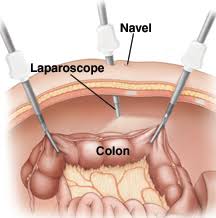
• Small incisions are made away from the hernia site.
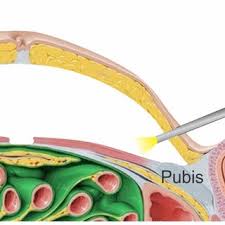
• A working space is created beneath the skin and above the abdominal muscles.
• The hernia defect or diastasis recti is identified and repaired.
• A surgical mesh is placed in the subcutaneous (onlay) position to reinforce the abdominal wall.
• The mesh is secured to provide strong and stable repair.
This technique avoids placing mesh inside the abdominal cavity.
Benefits of SCOLA
• Minimally invasive with small incisions
• No mesh contact with internal organs
• Reduced risk of intra-abdominal complications
• Effective reinforcement of the abdominal wall
• Good cosmetic outcomes
Recovery and Aftercare
• Most patients can return home within 24 hours.
• Mild postoperative discomfort is expected and usually well controlled.
• Walking is encouraged shortly after surgery.
• Light daily activities can be resumed within a few days.
• Heavy lifting should be avoided for 4–6 weeks or as advised.
• Follow-up appointments ensure proper healing.
Possible Risks and Complications
Although generally safe, possible risks include:
• Seroma (fluid collection under the skin)
• Infection
• Pain or discomfort
• Hernia recurrence (uncommon)
Your surgeon will discuss these risks in detail before surgery.
When to Contact the Clinic
Please contact the clinic if you experience:
• Fever
• Increasing pain or swelling
• Redness or discharge at incision sites
• Any unusual or concerning symptoms
Our Commitment to Care
Our surgical team applies advanced minimally invasive techniques, including SCOLA, to provide safe hernia repair with reduced complications, faster recovery, and durable results—always prioritizing patient comfort and safety.
Dr. Mohammed Alassaf
Consultant Bariatric & Gastrointestinal Surgeon
Dr. Alassaf is a leading expert in minimally invasive and bariatric surgery,
with extensive experience helping patients overcome obesity and related conditions.
Having completed advanced training in Australia and the Middle East, he is known
for his compassionate approach and evidence-based surgical care.